


Healthcare Trends That Will Transform Medicine in 2025
introduction
Healthcare is poised for a leap in 2025 as technology-driven healthcare solutions reshape how care is delivered. Advances in AI, telemedicine, and biotechnology will address aging populations and system strain. Experts note that predictive, data-driven care will expand to meet rising demand and manage chronic conditions.
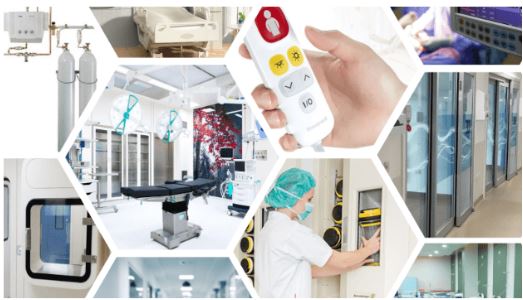
Key transformative trends include:
- Brain–Computer Interfaces (BCIs): Direct neural interfaces enabling thought-controlled devices and new therapies.
- Genomic Breakthroughs: Gene editing and personalized medicine tailored to individual genomes.
- AI-Driven Diagnostics & Safety: Artificial intelligence powering faster, more accurate diagnoses and preventing errors.
- Remote Monitoring & Telehealth: Expanded hospital system networks delivering care from anywhere.
Each of these trends represents a major medical solutions milestone, from high-tech medical devices to smarter healthcare system integration. Below we explore how these innovations will drive medical systems projects forward, with real-world examples and references to the latest research and reporting.
Brain-Computer Interfaces: Emerging Healthcare Solutions in Medical Devices
Brain–computer interfaces (BCIs) are becoming a real-world medical solution for patients with paralysis and neurological injury. BCIs link the brain directly to computers or prosthetics, allowing users to control devices through thought. In clinical trials, BCIs have enabled patients with ALS or stroke to “type or control digital devices solely through thought, dramatically enhancing quality of life”. For example, DARPA-funded research has used BCIs to operate neuroprosthetic limbs and restore tactile sensation.
Major technology companies are pushing BCI advances. Elon Musk’s Neuralink has demonstrated intracortical implants that let quadriplegic individuals move cursors and interact with computers. Other implants like Synchron’s Stentrode (with FDA Breakthrough Device status) offer less-invasive BCI approaches for controlling smart devices. By 2025, hybrid BCIs that combine EEG, implanted electrodes and AI-driven decoding are expected to become more sophisticated, bringing nerve-controlled therapies into mainstream care. These cutting-edge medical devices and medical systems projects promise to restore mobility, communication, and even sensory function to patients with neurological disorders.
Key Benefits of Brain–Computer Interfaces
- Assistive Communication: BCIs help locked-in patients (e.g. ALS) communicate via thought-driven typing.
- Neuroprosthetic Control: Direct brain control of robotic limbs or exoskeletons is becoming a reality.
- Neurorehabilitation: Closed-loop BCI training can improve stroke recovery by reinforcing imagined movements.
- Cognitive Therapies: Emerging trials use BCIs to modulate networks for depression or ADHD.
As BCI technology matures, it integrates into hospital automation and rehab centers. Neuroscience and AI convergence will make brain–computer interfaces a transformative healthcare solution by 2025, opening new frontiers in medicine.
Genomic Breakthroughs: Personalized Healthcare and Medical Solutions
The field of genomics is delivering personalized medical solutions at an unprecedented pace. In 2025, gene-editing breakthroughs and advanced sequencing are transforming care for genetic diseases. Notably, researchers have safely “corrected the faulty gene responsible” for sickle cell disease using new base-editing techniques. Early trials report that patients treated with this one-time gene therapy now live without pain crises or transfusion requirements. This success represents a major healthcare solution for a previously intractable condition.
Advances in cancer genomics are also remarkable. Personalized cancer therapies (a form of gene therapy) have improved outcomes for aggressive cancers. By editing patients’ own immune cells (CAR-T cell therapy), new treatments in 2025 have better targeted tumors like glioblastoma and advanced leukemias. These innovations have “improved survival rates” and reduced side effects compared to traditional chemo. For example, a 2025 study reported that modified CAR-T cells eradicated tumors in several glioblastoma patients, a breakthrough in a cancer once considered untreatable.
Other genomic successes include therapies for inherited blindness. New FDA-approved gene therapies for Leber congenital amaurosis (a childhood blindness) have helped patients regain partial vision. These milestones underscore how decoding the genome leads to concrete healthcare solutions.
- Gene Editing for Blood Disorders: Base editing cures sickle cell disease in trials.
- Precision Cancer Treatments: Tailored gene-modified cell therapies boost survival in brain and blood cancers.
- Inherited Disease Cures: Gene therapies reverse genetic blindness and other rare disorders.
Beyond cures, population genomics and data-driven risk models are growing. Clinicians can now use genomic data to predict disease risk, choose optimal medications, and develop preventive strategies. All these advances form the backbone of hospital projects focused on personalized medicine. By 2025, genomic medicine – including CRISPR technologies and massive sequencing efforts – is deeply integrated into the healthcare system, offering more targeted, effective treatments than ever.
AI-Driven Patient Safety and Diagnostics: Transforming Hospital Solutions
Artificial intelligence (AI) is moving from hype to reality in medicine, delivering measurable improvements in diagnostics and patient safety. In 2025, hospitals are deploying AI-enabled medical systems and hospital automation to reduce errors and speed care. For example, health IT experts forecast that AI will boost hospital workflow efficiency and dramatically improve patient safety. Stacey Caywood of Wolters Kluwer Health predicts that in 2025, AI tools will “move from a reactive force… to a proactive one”, benefiting clinicians by streamlining documentation, staffing and safety monitoring.
AI’s impact on diagnostics is equally profound. Regulatory agencies have already approved hundreds of AI medical devices. By 2025, one estimate shows nearly 1,000 FDA-approved AI tools active in healthcare. These systems leverage machine learning to assist clinicians: for example, AI can connect pattern-matching across vast data to diagnose rare diseases years faster than before. In fact, experts predict AI will cut the typical 7+ year “diagnostic odyssey” for rare diseases by using algorithms to match symptoms and genetics. In imaging, AI models now rival human experts at spotting anomalies: recent studies show AI can detect cancerous lesions or retinal disease on par with top radiologists. This means patients receive quicker, more accurate diagnoses – a breakthrough medical solution in care quality.
AI also enhances patient safety inside hospitals. New systems use continuous monitoring and sensors to prevent harm. For example, computer-vision cameras and wearable vital-sign monitors can alert staff to falls, wandering, or clinical deterioration in real time. By 2025, these AI-backed patient-safety systems are becoming standard: they automatically flag medication errors, patient deterioration and infection risks before they escalate. In short, hospitals are leveraging AI-driven medical devices and automation to create smarter environments. As one healthcare leader notes, improved diagnostic AI and safety monitoring will together “deliver tangible value by addressing real-world challenges,” not just check-the-box tech.
Key AI Innovations: Rapid image analysis (AI X-rays/CT scans), real-time patient monitoring, predictive analytics for readmissions, intelligent scheduling, and automated charting. Together these solutions make care safer and more efficient, redefining hospital medical systems in 2025.
Remote Monitoring and Telehealth: Revolutionizing the Healthcare System
The expansion of telehealth and remote monitoring is reshaping patient care pathways. By 2025, virtual care is a fully integrated part of the healthcare system, allowing patients to receive care outside hospital walls. After the COVID-19 surge, experts see telemedicine becoming “right-sized” for optimal use – not replacing all visits, but focusing on specialties like mental health or oncology where travel is a barrier. Even so, the overall trend is growth: hospitals are heavily investing in telehealth networks and digital patient engagement platforms.
A cornerstone of this trend is Remote Patient Monitoring (RPM). Connected devices (wireless BP cuffs, glucose meters, wearable ECGs) transmit patient data continuously to care teams. Physicians use these tools to manage chronic illnesses at home. As one telehealth CEO predicts, RPM will “boost CHF and diabetes care in 2025” by combining telehealth with AI-driven analytics. Indeed, current reporting shows RPM’s promise: in-home monitoring lets congestive heart failure patients be discharged earlier while still being supervised, easing hospital crowding.
These technologies are making hospital-at-home programs viable: wireless monitors and AI support allow more patients to heal in familiar surroundings. Clinicians use ambient sensors and smart device networks to ensure safety – for example, fall detectors and fluid-balance trackers. The result is fewer readmissions and a more patient-friendly model of care. Digital health experts note that in 2025 “continuous, passive monitoring through ambient sensors will become the norm for high-risk patients at home.” Even simple tools like a “smart spoon” that tracks calories or sleep-monitoring rings are gaining clinical trust.
Remote care also leverages data: telehealth platforms now integrate with medical records to schedule and triage patients intelligently. For instance, AI chatbots can guide a patient to the right specialist or set up a video consultation, reducing no-shows and optimizing provider time. By combining virtual visits, wearables and AI, healthcare providers are extending hospital reach into everyday life. In summary, telehealth and remote monitoring are making healthcare more continuous and preventive – key parts of the 2025 healthcare solutions landscape.
Ultravision: Leading Medical Equipment Suppliers in UAE and Dubai
As a premier healthcare solutions provider in the UAE, Ultravision Medical Equipments revolutionizes hospital projects and technologies. Our extensive offerings include supply, repair, and maintenance of critical hospital equipment. As a trusted medical equipment supplier in Dubai and UAE, we deliver certified, high-performance devices that meet global standards. Our clients include leading hospitals and clinics that rely on us for cutting-edge medical systems.
-
Medical Equipment and top Ultrasound Machines Supplier:
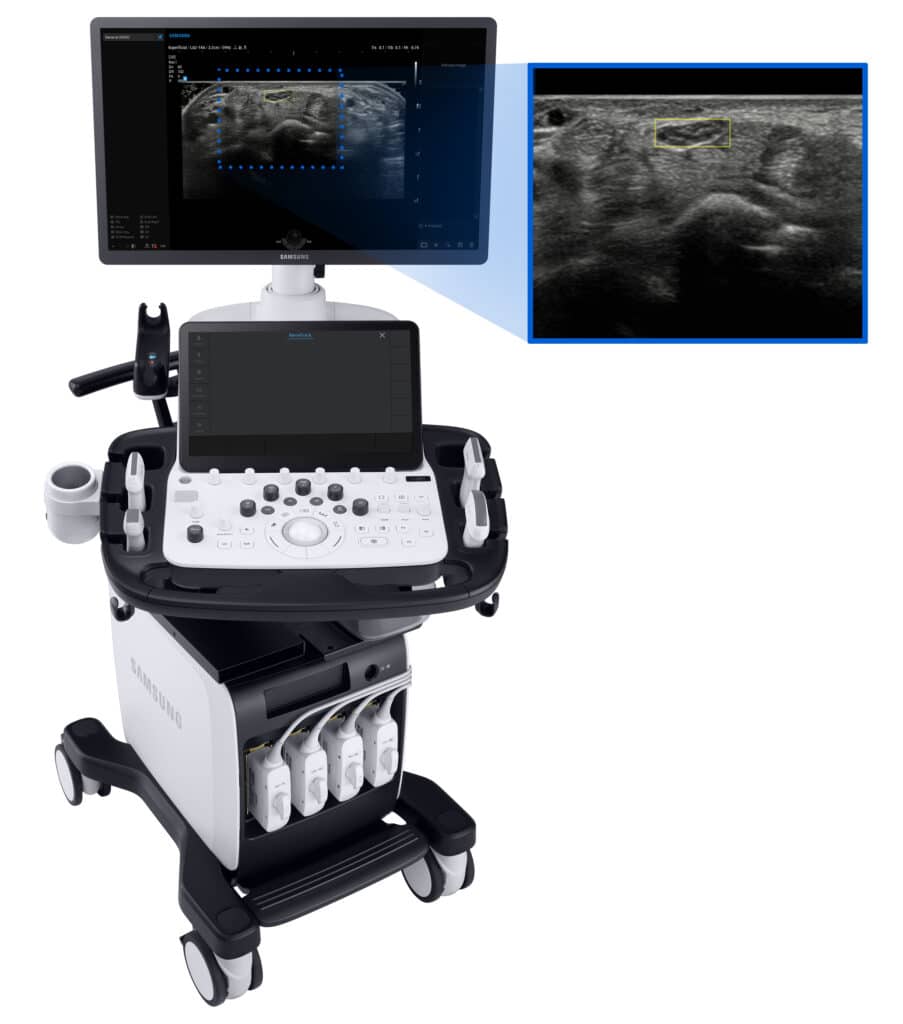
We stock a comprehensive range of devices – from diagnostic instruments to ICU equipment – sourced from top manufacturers. Our inventory of ultrasound machines is especially notable; we provide the latest imaging systems for obstetrics, cardiology and emergency care. Clinicians benefit from precise, reliable diagnostics powered by these tools.
-
Medical Equipment Repair & Maintenance:
Downtime is not an option in healthcare. Our team of trained engineers offers expert medical equipment repair and preventive maintenance, using digital diagnostics and predictive analytics to reduce failures. Hospitals trust Ultravision’s service centers to keep their healthcare systems running smoothly.
Our portfolio of hospital projects showcases Ultravision’s leadership in integrated solutions. We design and implement advanced systems that improve workflow and patient care:
-
Pneumatic Tube Systems (Sumetzberger PTS):
Pneumatic Tube Systems with swift and secure transport of lab samples, medications and documents throughout the hospital.
-
Horton ICU Doors:
Specialized hermetically-sealed doors with sensor-based access control, ensuring the highest infection control in intensive care units.
-
ALVO Modular Operating Rooms:
Customizable modular OR suites that integrate lighting, imaging and climate control. These turnkey surgical rooms are designed for rapid installation and maximum sterility.
-
MRC Cleanrooms:
Sterile cleanroom environments for laboratories and pharmaceutical production, built to stringent contamination-control standards.
These hospital automation systems and hospital medical systems projects demonstrate Ultravision’s expertise in complex healthcare environments. From nurse-call networks to integrated equipment, Ultravision ensures that healthcare facilities have state-of-the-art solutions. With decades of experience and a dedication to innovation, Ultravision stands out as a top hospital systems supplier and healthcare technology partner in the UAE.